Seeds
A striking, heat-tolerant loose-leaf lettuce with deep red, frilly edges.
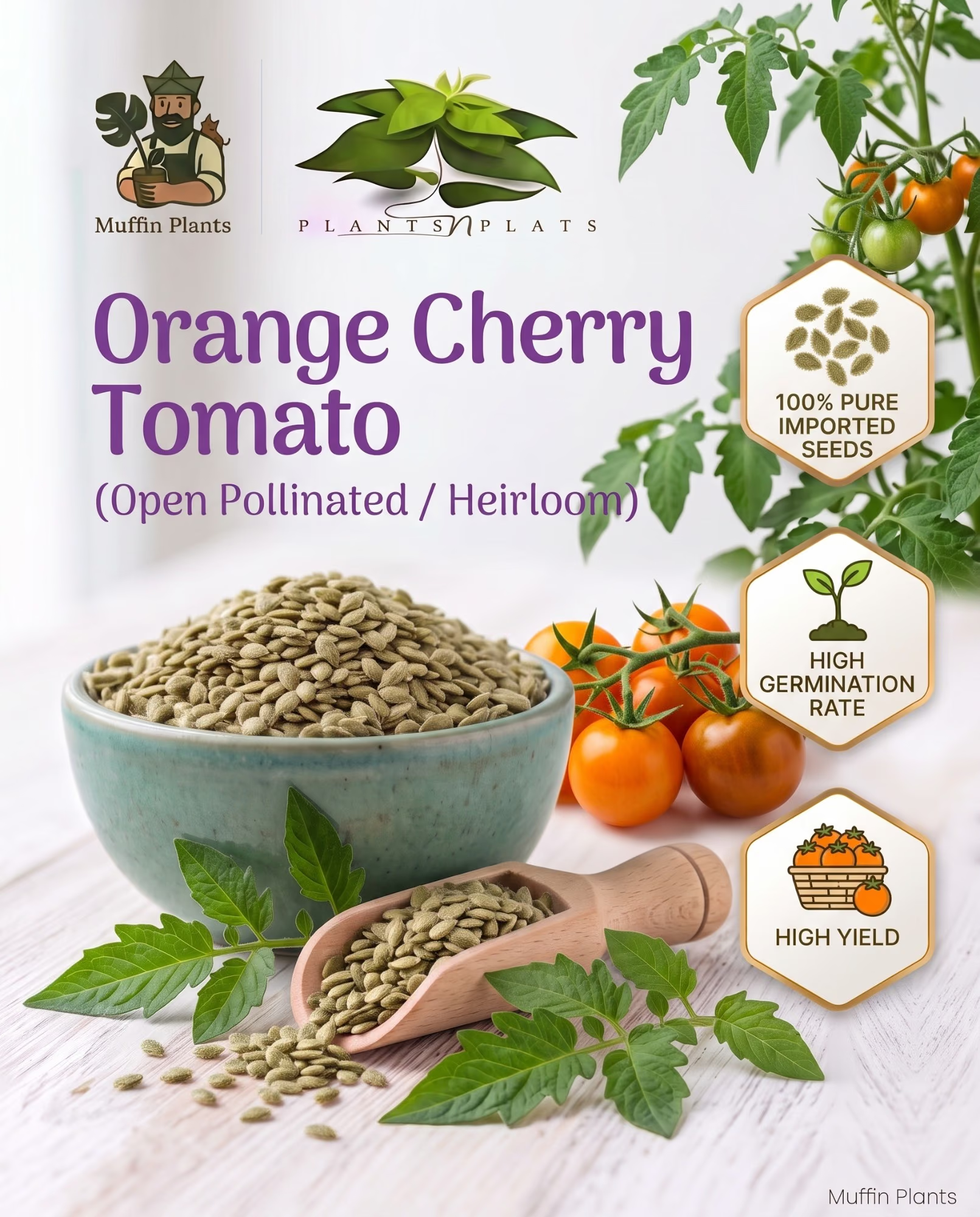
This traditional orange cherry tomato variety produces copious amounts of glowing, tangerine-colored fruits packed with sweet, citrus-like flavor notes. Being open-pollinated, they allow for seed saving while still providing a robust and dependable harvest throughout the summer. Their vivid color and rich flavor make them fantastic for fresh salsas, colorful salads, and quick pan-roasting with garlic and basil.
Light
Grows best with 6 to 8 hours of direct sun, which builds sugars in the fruit and keeps the plant sturdy. Through peak summer, filtered afternoon light is kinder to the blossoms than harsh midday sun.
Water
Tomatoes like regular, deep watering that reaches 30 cm or more into the soil, rather than frequent light sprinkles. Even moisture prevents cracking and blossom end rot, and watering at the base keeps the leaves dry.
Humidity
Moderate humidity suits it. Warm, damp, still air invites blight and leaf spot, so give each plant space, remove lower leaves and avoid wetting the foliage in humid coastal weather.
Temperature
Comfortable across the wide range Pakistan offers, from about 15 up to 35 C, with the heaviest fruit set when days stay between 18 and 32 C. Even in 35 C+ weather they hold up well in shade with mulch and regular water, though blossoms may fall until temperatures ease. Start seed in late winter or late summer to time flowering outside the peak heat.
Pets and children
The ripe fruit is safe to eat, and the ASPCA considers it non-toxic to dogs and cats. Solanine and tomatine in the leaves, stems and green fruit make the plant toxic to dogs, cats and horses, with signs including hypersalivation, stomach upset and weakness.
Soil
Plant in loose, compost rich soil that drains freely. Mix plenty of compost or vermicompost into garden soil, with some cocopeat in pots, and use a large container of at least 20 litres.
Fertilizer
Tomatoes are medium feeders. Give a tomato fertiliser low in nitrogen at planting, at fruit set and after the first harvest, so the plant makes fruit rather than excess foliage. Open pollinated plants vary a little from plant to plant, and you can save seed from your best fruit for next season.
No reviews yet. Be the first to tell others how it went.